From Refugee to Local Hero: How Lucky Karim Is Empowering Rohingya Girls
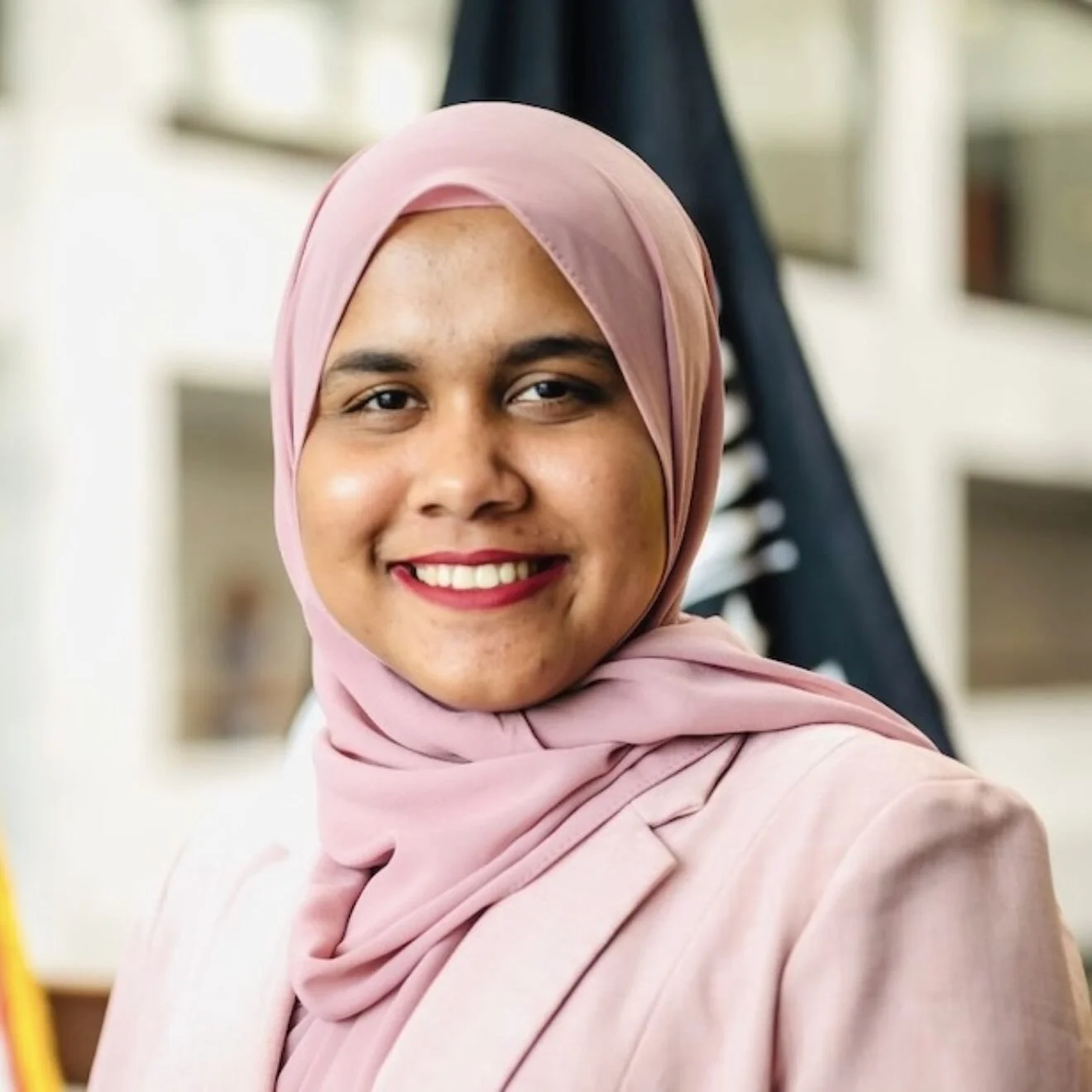
When Lucky Karim was forced to flee Myanmar in 2017, she was still a teenager.
Like hundreds of thousands of Rohingya refugees, she arrived in Cox's Bazar, Bangladesh, after escaping violence and persecution. Today, Cox's Bazar is home to the world's largest refugee camp, where girls face enormous barriers to education, employment, and opportunity.
But even in those circumstances, Lucky chose to act.
At just 15 years old, while living in the camp herself, she began working with humanitarian organizations serving the Rohingya community. Her leadership quickly gained attention, leading her to advocate alongside policymakers, government officials, and international organizations working to address the Rohingya crisis.
In 2023, at only 19 years old, Lucky testified before the Tom Lantos Human Rights Commission in the United States Congress, speaking on behalf of Rohingya women and girls.
Yet her greatest impact may be the work she is doing for girls still living in the camps.
Recognizing that education and self-advocacy are powerful tools for change, Lucky founded Refugee Women for Peace & Justice (RWPJ), the first registered Rohingya refugee-led nonprofit operating directly in Southeast Asia.
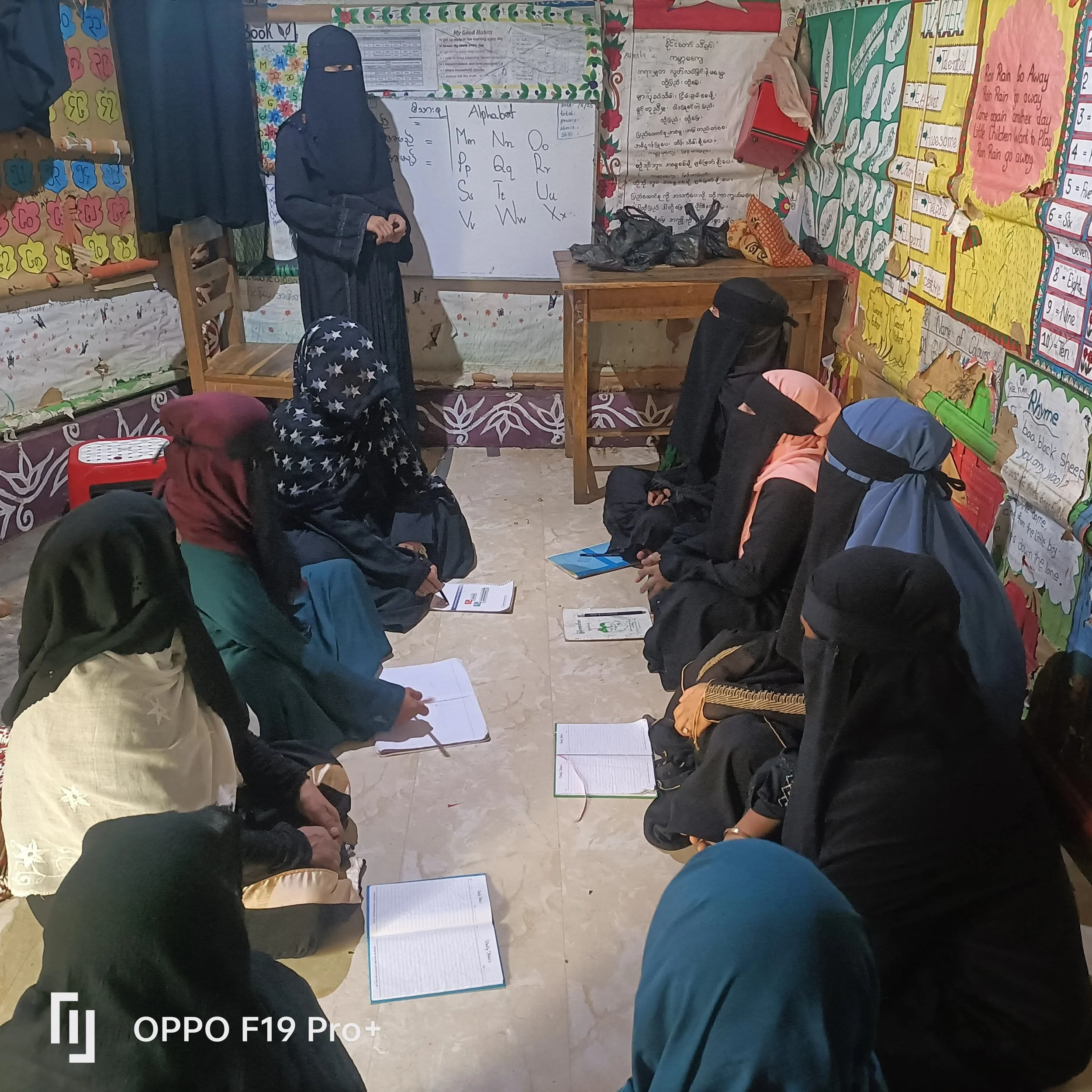
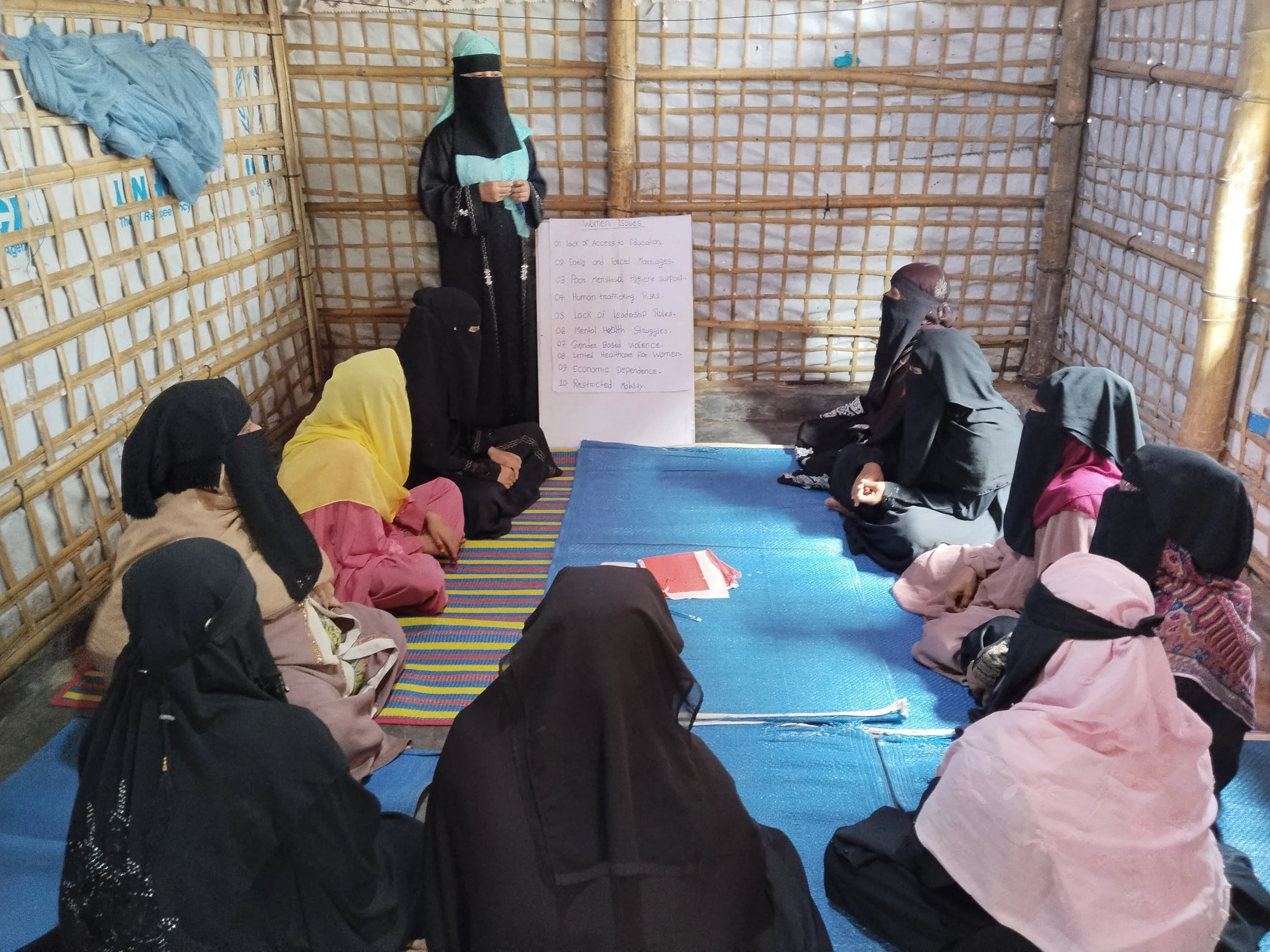
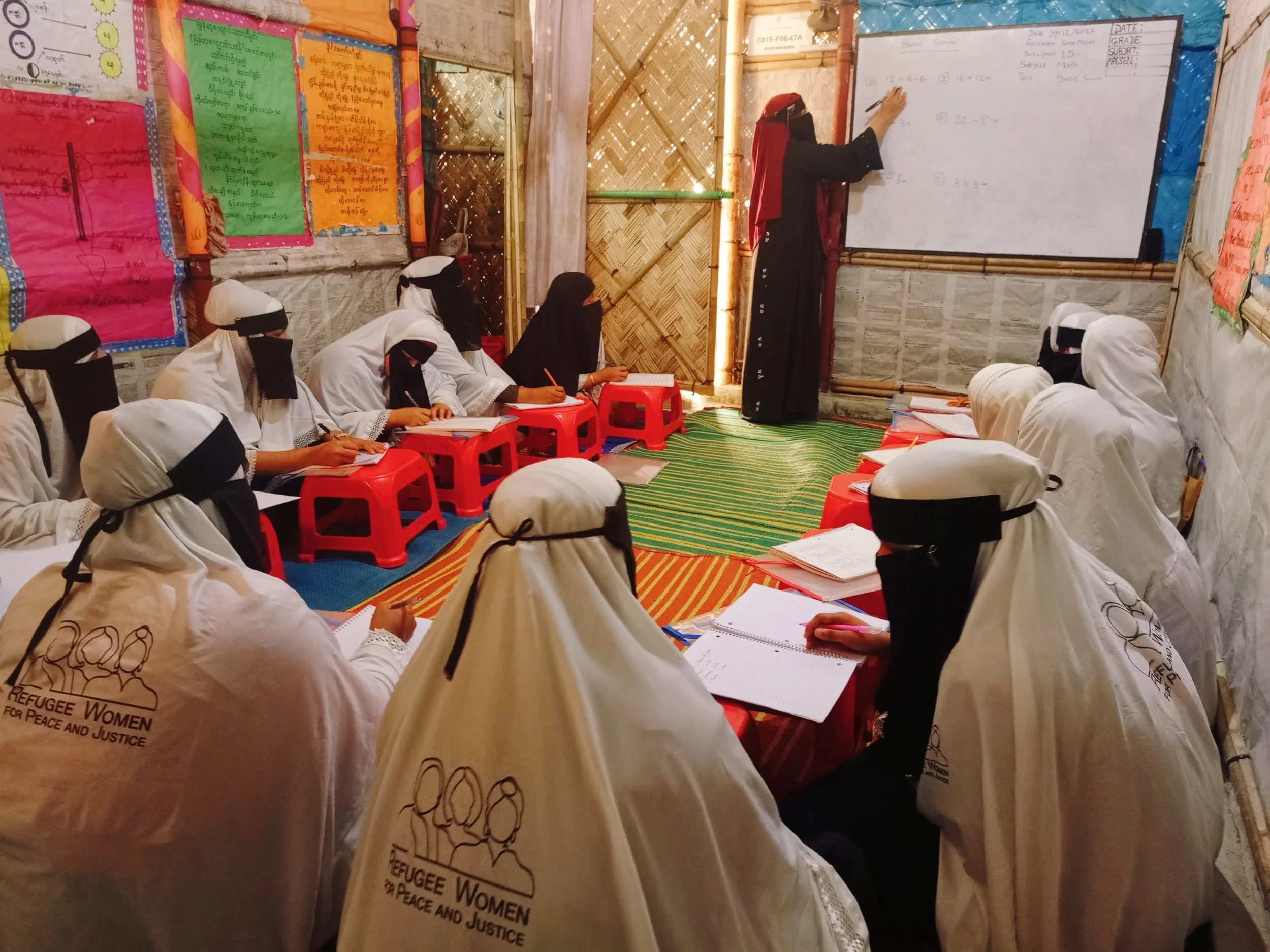
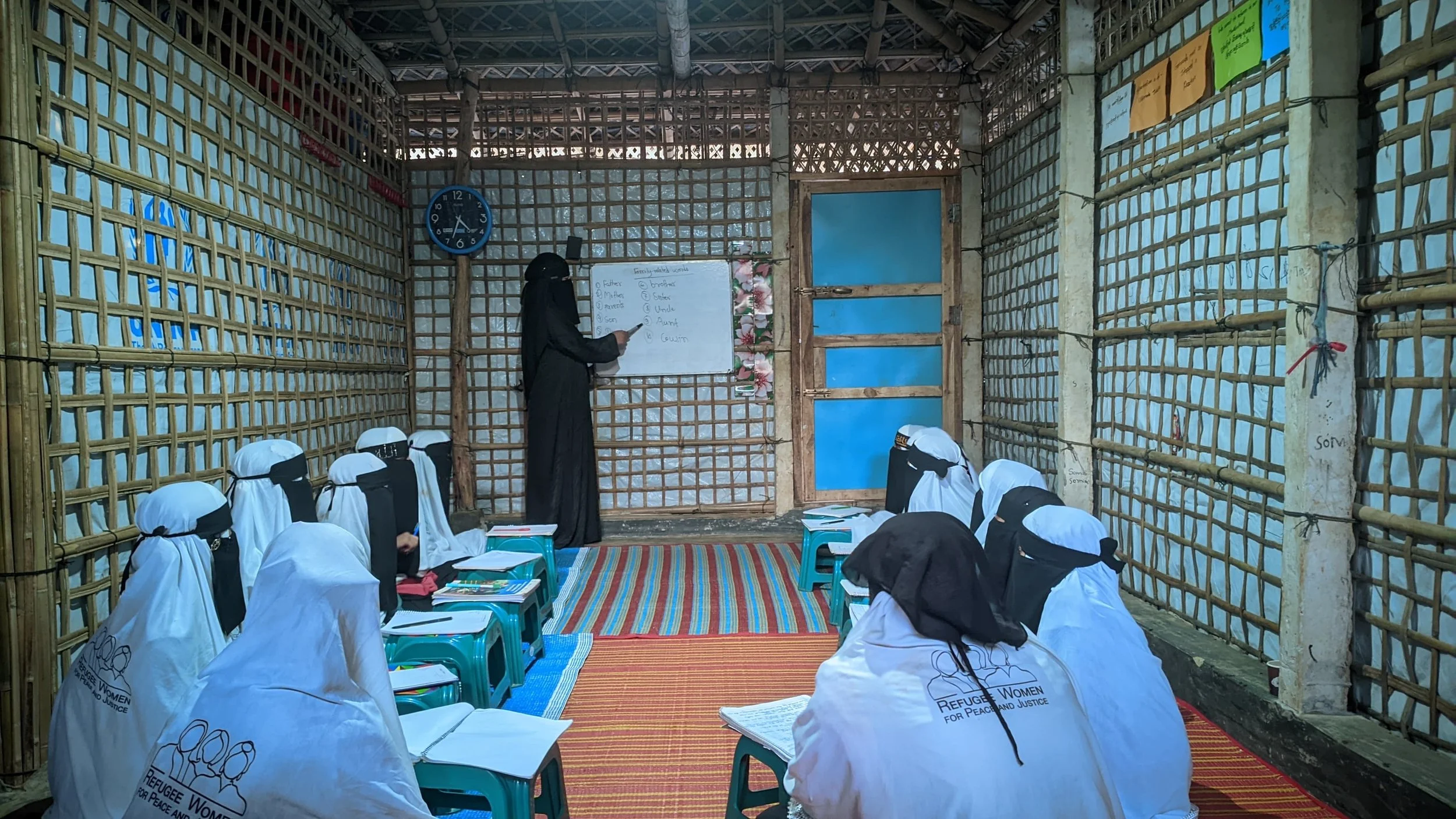
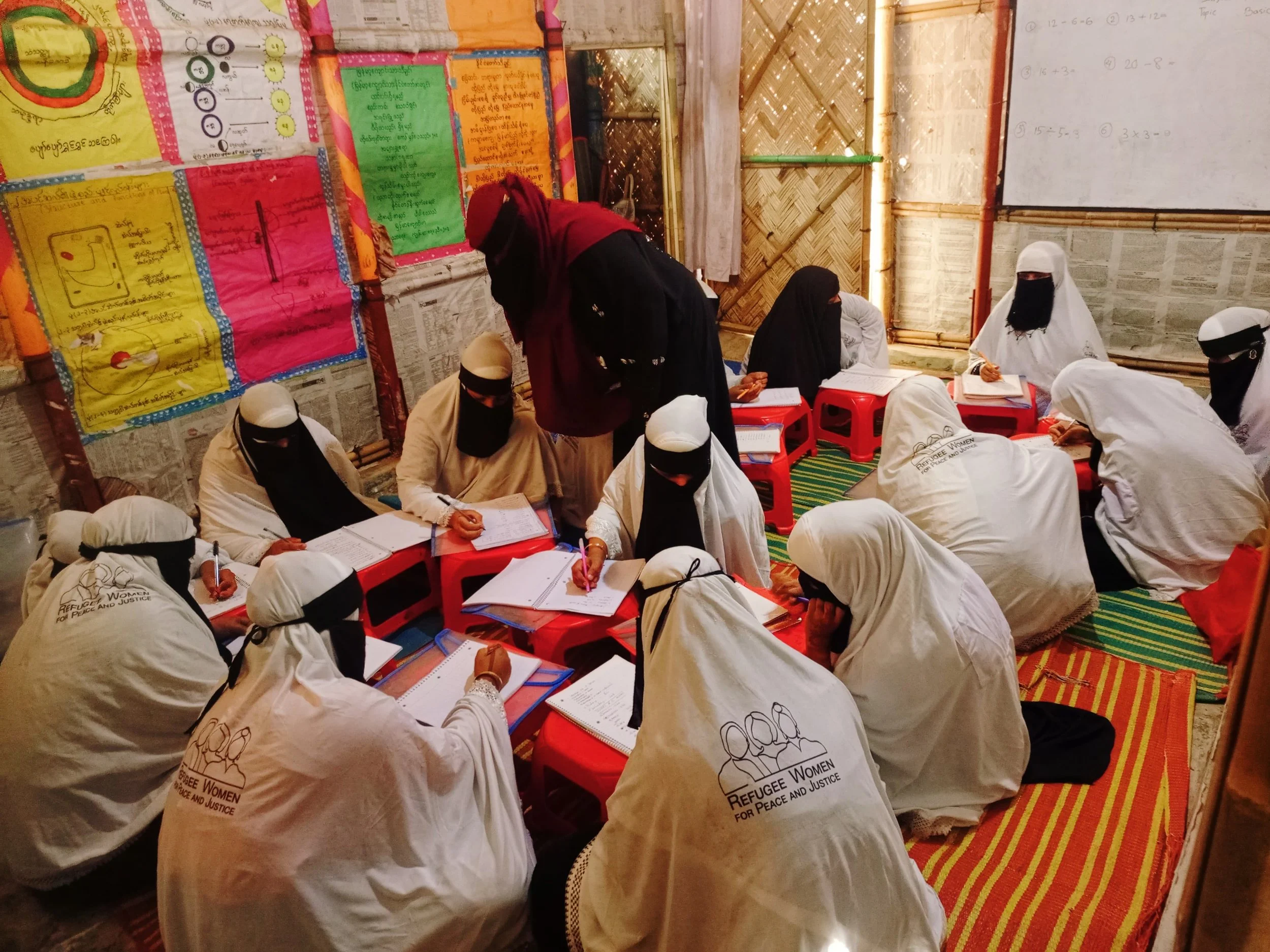
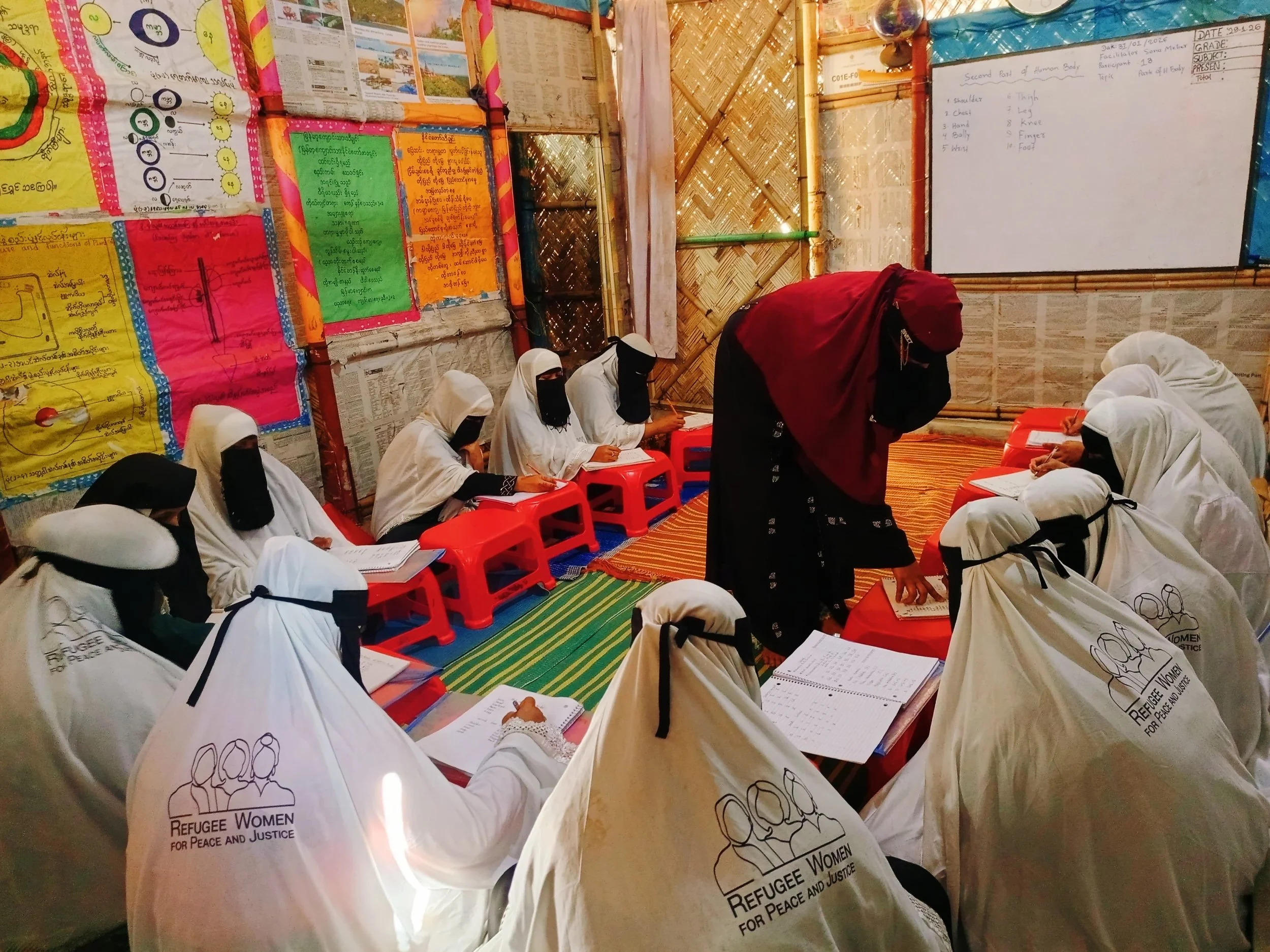
With support from GO Campaign, RWPJ's Rohingya Youth Self-Empowerment program is helping young women gain literacy skills, understand their rights, navigate camp systems, and access opportunities that would otherwise remain out of reach.
So far, 93 girls have participated in the program.
Participants learn how to read official documents, identify camp authorities, access essential services, and protect themselves from exploitation. Many then share what they learn with family members and neighbors, expanding the program's impact throughout the camp community.
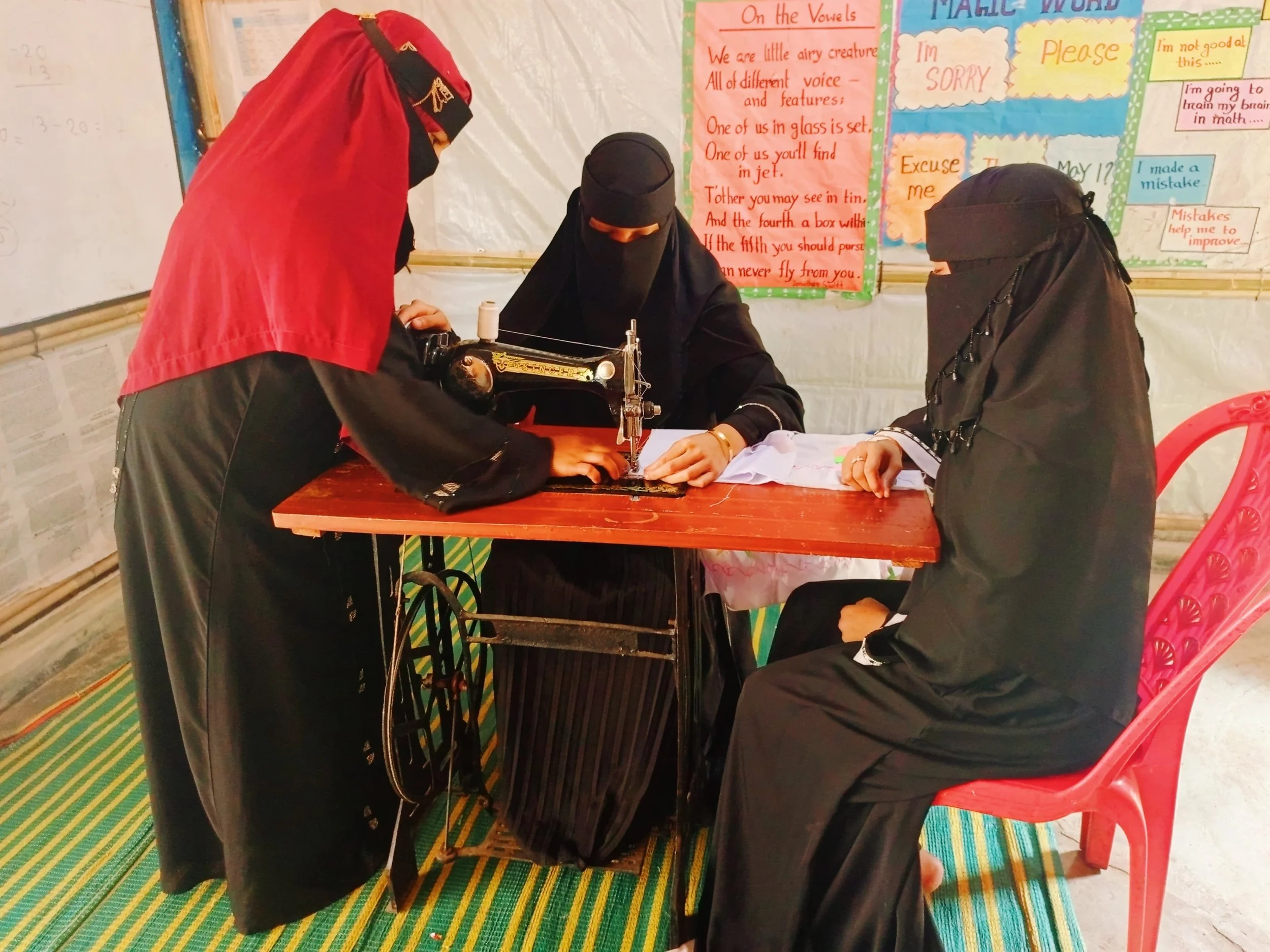
RWPJ also helps young women turn existing talents—such as embroidery, sewing, and culinary skills—into sources of income. For some participants, these earnings effectively double the value of their monthly food rations, helping reduce household hunger.
The results go beyond economics.
One participant said the program helped her emerge from a period of isolation and reconnect with her community. Another learned the alphabet and was later able to teach her child to read. A young woman experiencing gender-based violence was connected to legal support after learning about available resources through RWPJ.
Perhaps most importantly, girls who were once overlooked are finding confidence in their own voices.
This is what Local Hero leadership looks like.
Lucky could have focused solely on rebuilding her own life after displacement. Instead, she chose to create opportunities for other girls facing the same challenges she once faced herself.
In one of the most difficult places in the world to be a young woman, she is helping girls gain the knowledge, confidence, and support they need to shape their own futures.
And because one girl refused to give up, dozens of others are beginning to discover what is possible.